
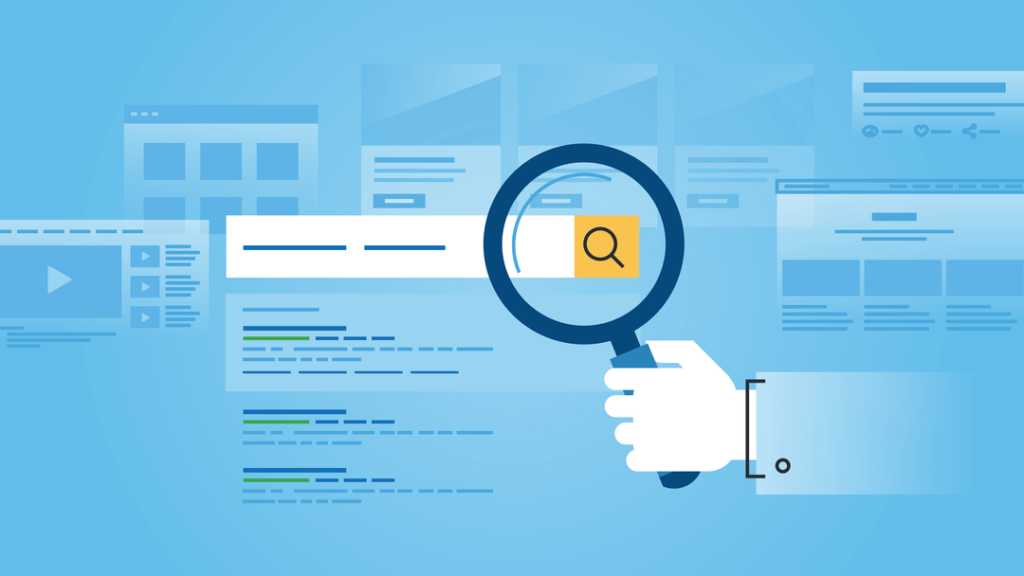
13 Ways to Improve Your Website’s Page Ranking

Boost your website’s visibility with these 13 proven strategies to improve page ranking, drive organic traffic, and enhance SEO and user experience effectively.
Table of Contents
In today’s competitive digital landscape, having a website is not enough. To attract traffic, generate leads, and grow your business, your website needs to rank well in search engine results pages (SERPs). High rankings increase your visibility, drive organic traffic, and enhance your brand’s credibility. But with search engine algorithms constantly evolving, improving your website’s page ranking requires a strategic and multifaceted approach.
Here are 13 proven ways to improve your website’s page ranking and strengthen your presence in search results.
Proven Ways to Improve your Website’s Page Ranking
1. Conduct Keyword Research
Keywords are the foundation of SEO. They help search engines understand what your content is about and match it with user intent.
What to do:
- Use tools like Google Keyword Planner, Ahrefs, or SEMrush to find high-volume, low-competition keywords.
- Focus on long-tail keywords that reflect user intent (e.g., “best UI/UX design services for startups”).
- Strategically place keywords in your page titles, meta descriptions, headers, and throughout your content.
2. Create High-Quality, Relevant Content
Search engines prioritize websites that consistently publish valuable, original, and relevant content.
Tips:
- Focus on solving your audience’s problems and answering their questions.
- Use a mix of blog posts, guides, infographics, videos, and case studies.
- Keep your content well-structured with clear headings, bullet points, and internal links.
Google rewards content that satisfies user intent and keeps visitors engaged.
3. Optimize On-Page SEO Elements
Optimizing on-page elements helps search engines better understand and index your content.
Key elements to optimize:
- Title tags (70 characters or less, include your target keyword)
- Meta descriptions (155–165 characters, compelling and keyword-rich)
- Header tags (H1, H2, H3 for clear structure)
- Image alt text (describe your images with relevant keywords)
- URL structure (keep URLs short, clean, and keyword-rich)
4. Improve Website Speed
Page speed is a critical ranking factor. A slow website leads to high bounce rates and poor user experience.
How to boost speed:
- Compress images and use modern formats like WebP
- Minify CSS, HTML, and JavaScript
- Enable browser caching and server-side compression
- Use a Content Delivery Network (CDN)
Google’s PageSpeed Insights tool can help identify speed-related issues and suggest fixes.
5. Make Your Website Mobile-Friendly
With over 60% of searches happening on mobile devices, having a responsive design is essential.
Best practices:
- Use a responsive layout that adjusts to all screen sizes
- Avoid flash and unplayable content
- Ensure buttons and links are easily tappable
- Optimize page speed for mobile users
Google uses mobile-first indexing, meaning your mobile site is what they evaluate first when determining rankings.
6. Build High-Quality Backlinks
Backlinks are a strong signal of your website’s authority and relevance. The more high-quality websites that link to you, the better your chances of ranking higher.
Strategies to build backlinks:
- Guest post on authoritative sites in your niche
- Create shareable content like original research or infographics
- Reach out to industry influencers for mentions or collaborations
- Use broken link building to replace outdated content
Avoid buying links or using spammy tactics, as they can lead to penalties.
7. Enhance User Experience (UX)
Google favors websites that offer a seamless, user-friendly experience.
Improve UX by:
- Keeping your navigation intuitive and easy to use
- Using a clean, consistent design
- Ensuring fast page loads and mobile responsiveness
- Removing intrusive pop-ups or ads
Consider investing in UI/UX design services to ensure your website is both beautiful and functional.
8. Use Internal Linking Strategically
Internal links guide visitors to other relevant content on your site, helping them stay longer and engage more.
Tips:
- Link to related blog posts or product pages within your content
- Use descriptive anchor text
- Maintain a logical site structure with well-connected pages
This also helps search engines crawl and index your site more efficiently.
9. Optimize for Local SEO
If your business serves a local audience, local SEO is essential for visibility in regional searches.
Steps to take:
- Create and optimize your Google Business Profile
- Include local keywords (e.g., “SEO agency in New York”)
- Ensure NAP (Name, Address, Phone Number) consistency across all platforms
- Get listed on local directories and review sites
Local SEO services helps to improve visibility for queries with geo-specific intent.
10. Utilize Schema Markup
Schema markup is a type of structured data that helps search engines understand your content better.
Benefits:
- Improves how your listings appear in SERPs (rich snippets)
- Increases click-through rates by displaying ratings, prices, FAQs, etc.
- Enhances local and product-based search performance
Use Google’s Structured Data Markup Helper to add schema easily.
11. Create a Secure Website (HTTPS)
Security is a ranking factor. If your site doesn’t have an SSL certificate, it’s time to get one.
Why HTTPS matters:
- Builds trust with users
- Prevents sensitive data breaches
- Avoids browser warnings and improves SEO
Most hosting providers offer free or affordable SSL certificates.
12. Encourage User Engagement
User signals like time on site, bounce rate, and pages per session impact your rankings.
To increase engagement:
- Add interactive elements like quizzes, polls, and videos
- Make content scannable with subheadings and visuals
- Use calls-to-action (CTAs) to guide users
The more value users find, the longer they stay, and the better your site will rank.
13. Track, Analyze, and Adjust
Finally, SEO is not a one-time task. Continuously monitor your site’s performance and make data-driven decisions.
Use these tools:
- Google Analytics: Track traffic sources, user behavior, and goals
- Google Search Console: Monitor indexing, search performance, and technical issues
- SEMrush / Ahrefs / Moz: Analyze backlinks, keywords, and competitors
Regular audits help you spot opportunities and correct weaknesses.
Final Thoughts
Improving your website’s page ranking isn’t about shortcuts, it’s about building a strong, user-focused foundation. By combining smart content strategies, technical SEO, UX optimization, and consistent monitoring, you can climb the SERPs and stay ahead of the competition.
Whether you’re a small business or a growing enterprise, investing in professional UI/UX design services, SEO tools, and a content strategy can transform your website into a high-performing digital asset.
Start with one tactic today, and over time, you’ll see measurable improvements in traffic, engagement, and conversions.
Remember: Search engine algorithms may change, but the focus on value, speed, and user satisfaction will always remain. Prioritize those, and your rankings will rise.
Ready to turn this into real bookings?
Free 30-min audit. We review your current setup and give you 3 specific wins — whether we work together or not. Starts at 0/month. No contract. One medspa per market.
Book My Free Audit →No credit card. No pitch. No 12-month lock-in.
⚡ 2-minute scorecard · instant result
Is your website quietly costing you leads?
Answer 5 quick questions. Get your score + the top fixes, free.
1. Does your site load in under 3 seconds on mobile?
2. Is there one clear call-to-action above the fold?
3. Is your main lead form 5 fields or fewer?
4. Is the whole site genuinely mobile-friendly?
5. Are trust signals (proof, reviews) near your CTA?



