
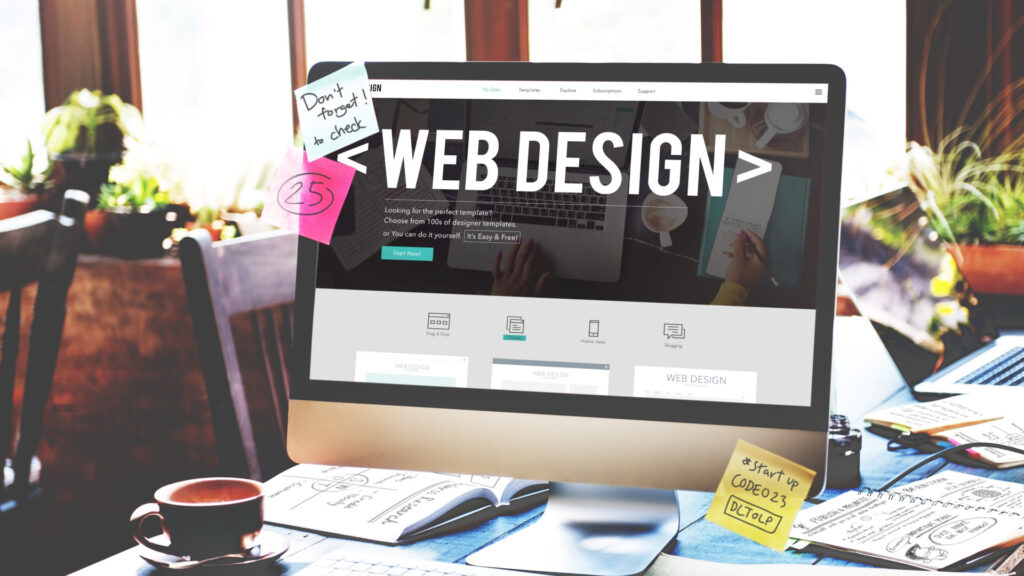
How AI Is Transforming Website Design and User Experience (UX)
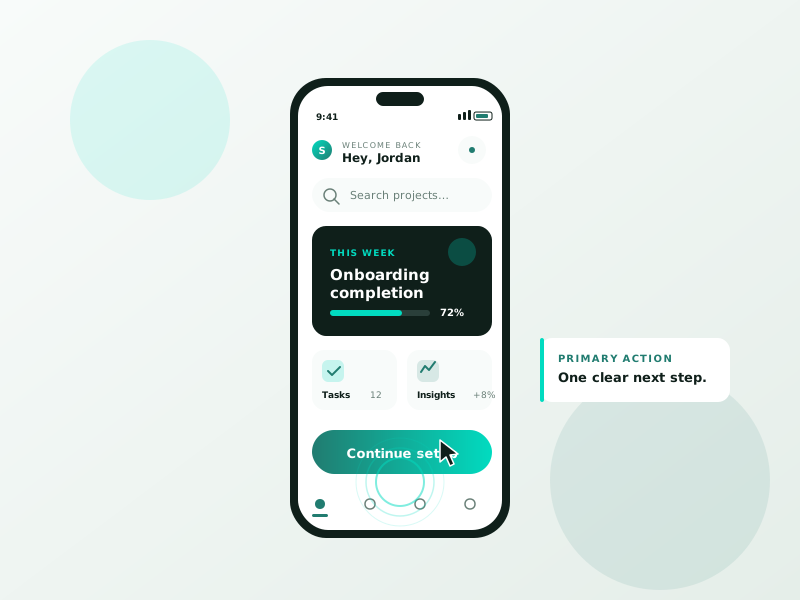
Discover how AI is revolutionizing website design and UX with smart personalization, chatbots, data-driven layouts, and more for seamless digital experiences.
Table of Contents
In the fast-paced digital world, website design and user experience (UX) have become crucial to business success. Gone are the days when static, template-driven sites were enough to capture attention. Today, users demand personalized, intuitive, and responsive digital experiences. And the force powering this evolution? Artificial Intelligence (AI).
AI is rapidly transforming the way websites are designed, built, and optimized. From automated layouts to personalized UX journeys, AI is enabling smarter, more adaptive websites that not only look good but also perform brilliantly. In this blog, we’ll explore how AI is revolutionizing website design and UX, and what that means for businesses looking to stay ahead.
How AI is Revolutionizing Website Design and UX
1. Personalized User Experiences Like Never Before
One of the most significant impacts of AI on UX is the ability to deliver personalized content and interfaces to users based on their behaviors, preferences, and demographics.
AI algorithms can analyze user data in real time, such as browsing history, device type, location, and previous interactions, to tailor content and design elements. This means no two users may see the exact same version of a website. For instance:
- Product recommendations can be customized.
- Content layout can adapt based on user preferences.
- CTAs can be dynamically adjusted for better conversion.
This personalization not only enhances user satisfaction but also boosts engagement and conversions.
2. AI-Driven Design Assistance
AI tools like Wix ADI (Artificial Design Intelligence) and Bookmark’s AIDA have revolutionized the design process by enabling businesses to create professional-looking websites with minimal manual effort. These platforms:
- Ask users a series of questions about their industry, goals, and preferences.
- Use AI to generate a custom website layout and structure.
- Automatically fill in content, images, and design elements.
This reduces the time and cost involved in web development, especially for small businesses or startups that may not have the budget for full-scale design teams. While human designers still bring creativity and emotional intelligence, AI speeds up the foundation work, allowing designers to focus on refinement and strategy.
3. Voice User Interfaces (VUIs)
The rise of voice assistants like Siri, Alexa, and Google Assistant has led to a surge in voice search. AI is making it possible to integrate Voice User Interfaces into websites, allowing users to interact via speech.
VUIs enhance accessibility, convenience, and engagement, especially for mobile users or users with disabilities. AI interprets natural language commands and enables websites to respond intelligently, making interactions faster and more human-like.
Incorporating voice capabilities into web design is becoming an essential part of future-proof UX strategies.
4. Chatbots and Virtual Assistants
AI-powered chatbots have become a staple in modern website design. These bots simulate human-like conversations and assist users in real time, offering support, answering questions, and even guiding purchases.
Key benefits of AI chatbots include:
- 24/7 customer support availability.
- Reduced response times and faster issue resolution.
- Data collection for further user behavior analysis.
Chatbots can also use natural language processing (NLP) to understand user queries better, providing more accurate and helpful responses. This level of assistance directly enhances the user experience and boosts trust in the brand.
5. Smarter UX Design Through Data Analysis
One of the challenges designers face is understanding what works and what doesn’t in a UX journey. AI tools help eliminate the guesswork by analyzing massive datasets, including:
- Heatmaps (to track user attention and behavior).
- Scroll patterns and click-through rates.
- Session recordings.
With this data, AI can identify patterns and recommend specific design changes to improve navigation, layout, content flow, and interaction elements.
For example, if users consistently drop off at a certain point in the checkout process, AI can detect this pattern and suggest optimizations such as clearer buttons or simplified forms.
6. AI-Powered A/B Testing and Optimization
A/B testing is a critical part of UX refinement, and AI has dramatically improved its accuracy and speed. Traditional A/B testing involves creating multiple versions of a webpage and manually analyzing performance. AI-powered platforms can:
- Run multivariate tests simultaneously.
- Automatically adjust design elements based on real-time performance data.
- Learn and optimize continuously without human intervention.
This ensures that websites are always evolving based on actual user behavior, improving performance and ROI over time.
7. Content Creation and Curation
AI is also changing how content is created and presented on websites. Natural language generation (NLG) tools like OpenAI’s GPT models can:
- Generate product descriptions, blog posts, FAQs, and more.
- Rewrite or improve existing copy based on SEO and readability.
- Suggest content ideas based on user intent and trends.
Meanwhile, AI content curation tools recommend articles, videos, or products to users based on their browsing history, enhancing both engagement and time-on-site.
This has made content management more efficient and scalable, especially for eCommerce and content-heavy websites.
8. Image and Video Optimization
AI can analyze visual content and automatically optimize it for performance and aesthetics. Key applications include:
- Auto-cropping images to suit screen size and composition.
- Compressing images and videos without quality loss.
- Tagging and categorizing images using AI-based recognition tools.
Moreover, AI-driven platforms can suggest or even create design elements (like banners or thumbnails) based on existing branding and content, reducing creative workload and ensuring visual consistency.
9. Improved Accessibility
Creating inclusive digital experiences is a growing priority, and AI is helping designers meet accessibility standards more effectively. AI can:
- Detect and label images for screen readers.
- Suggest text contrast improvements.
- Transcribe audio or video content automatically.
AI can even test a website against accessibility standards like WCAG, flagging non-compliant areas and recommending fixes. This ensures a more inclusive experience for users with visual, auditory, or cognitive impairments.
10. Enhanced Security and Fraud Detection
Though not directly related to design, security plays a crucial role in UX. If users don’t feel safe on a website, they won’t engage. AI helps in:
- Detecting suspicious behavior in real time.
- Preventing phishing attacks and unauthorized access.
- Enhancing payment security through AI-based fraud detection.
A secure website builds trust and contributes significantly to positive user experience.
What This Means for Businesses
As AI continues to revolutionize digital experiences, businesses that embrace these technologies early will gain a significant edge. Whether you’re redesigning an outdated website or launching a new digital product, AI tools can help streamline the process, improve UX, and increase user satisfaction.
That said, AI doesn’t replace human designers, it empowers them. The combination of AI efficiency and human creativity results in smarter, more engaging websites.
If your business is aiming to create a cutting-edge digital experience, consider partnering with a website design service that leverages AI tools and best practices. These services offer strategic guidance, creative execution, and technical expertise to ensure your website isn’t just functional, but future-ready.
Final Thoughts
⚡ 2-minute scorecard · instant result
Is your website quietly costing you leads?
Answer 5 quick questions. Get your score + the top fixes, free.
1. Does your site load in under 3 seconds on mobile?
2. Is there one clear call-to-action above the fold?
3. Is your main lead form 5 fields or fewer?
4. Is the whole site genuinely mobile-friendly?
5. Are trust signals (proof, reviews) near your CTA?
AI is no longer a futuristic concept, it’s here, actively shaping how websites are designed and experienced. From personalization and chatbots to voice interfaces and data-driven design, AI is unlocking new levels of functionality and creativity.
For users, this means more intuitive, helpful, and enjoyable web experiences. For businesses, it means smarter workflows, better performance, and higher conversion rates.
As the digital landscape continues to evolve, staying updated on AI innovations in web design is not just beneficial, it’s essential. Embrace the change, and let AI guide your brand into a more intelligent, user-centric future.
Ready to turn this into real bookings?
Free 30-min audit. We review your current setup and give you 3 specific wins — whether we work together or not. Starts at 0/month. No contract. One medspa per market.
Book My Free Audit →No credit card. No pitch. No 12-month lock-in.



