

Crafting a Strong Brand Identity: Key Elements and Benefits
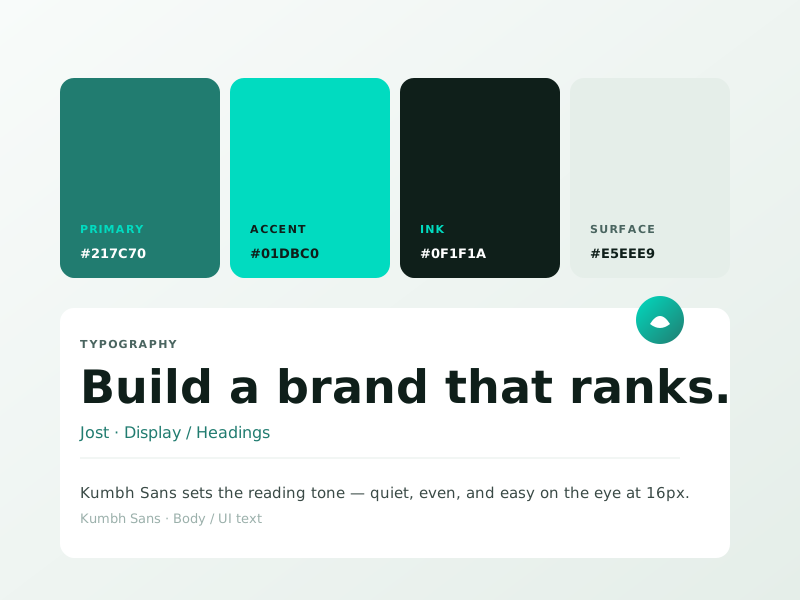
Discover the key elements of a strong brand identity and the powerful benefits it brings, from building trust to boosting recognition and driving business growth.
Table of Contents
In today’s competitive digital landscape, a strong brand identity isn’t just a nice-to-have, it’s a business essential. Whether you’re launching a new startup or looking to refresh your company’s image, your brand identity forms the foundation of how your audience perceives, remembers, and connects with your business. It’s the emotional and visual fingerprint of your brand, helping differentiate you in a crowded market and build lasting trust.
In this blog, we’ll explore the key elements that shape a compelling brand identity and the benefits it brings to your business.
What Is Brand Identity?
Brand identity is the collection of all elements a company creates to portray the right image to its consumers. It includes visual components like logos, typography, and color palettes, as well as messaging elements such as voice, tone, and brand values. Unlike branding (the strategy) or brand image (public perception), brand identity is what you control, it’s how you present your business to the world.
Why a Strong Brand Identity Matters
A well-crafted brand identity offers numerous advantages:
- Recognition: Memorable branding increases awareness and recall.
- Trust & Credibility: Consistent visuals and messaging build customer confidence.
- Differentiation: Sets you apart from competitors in your niche.
- Emotional Connection: Resonates with target audiences on a deeper level.
- Business Growth: A trusted and recognized brand often leads to higher conversion rates and customer loyalty.
Let’s now dive into the essential elements that make up a strong brand identity.
Key Elements of a Strong Brand Identity
⚡ 2-minute scorecard · instant result
Is your website quietly costing you leads?
Answer 5 quick questions. Get your score + the top fixes, free.
1. Does your site load in under 3 seconds on mobile?
2. Is there one clear call-to-action above the fold?
3. Is your main lead form 5 fields or fewer?
4. Is the whole site genuinely mobile-friendly?
5. Are trust signals (proof, reviews) near your CTA?
1. Brand Name and Logo
Your brand name and logo are often the first things people notice. A strong logo should be:
- Simple yet distinctive
- Scalable across platforms
- Relevant to your industry and audience
- Timeless, avoiding overly trendy designs
Paired with a unique and meaningful brand name, this duo forms the visual shorthand for your company’s personality and promise.
2. Typography
Typography sets the tone for your brand’s visual communication. Choose a font family that reflects your brand personality, whether it’s modern and sleek, classic and elegant, or bold and edgy. Ensure legibility across devices and maintain consistency in usage for headers, body text, and calls to action.
3. Color Palette
Colors play a psychological role in brand perception. Each color evokes specific emotions:
- Blue: Trust, reliability (commonly used in tech and finance)
- Red: Passion, urgency (often used in retail and entertainment)
- Green: Growth, eco-friendliness (popular with health and wellness brands)
Select a primary color palette with two or three core colors, supported by a secondary palette for accents.
4. Imagery and Graphics
Photography, illustrations, and icons should all reflect your brand’s essence. Whether you opt for high-contrast photography, hand-drawn illustrations, or minimalist icons, keep your style consistent across all channels to enhance brand recognition.
5. Voice and Tone
Your brand voice reflects how your brand speaks, while tone varies depending on the context. For instance, a youthful fashion brand may use a playful, casual tone, while a law firm might adopt a more formal and authoritative voice.
Define your tone of voice based on:
- Your target audience
- Your industry
- Your brand values
Create a brand voice guide to ensure consistent communication across marketing, social media, emails, and customer service.
6. Brand Messaging
Brand messaging includes your:
- Tagline: A short, memorable phrase that sums up your brand.
- Mission statement: What your brand aims to do.
- Value proposition: What makes your brand unique and why people should choose you.
Great messaging connects with your audience’s needs and desires while showcasing your value.
7. Brand Values and Story
Consumers increasingly support brands that reflect their values. Your brand story should articulate:
- Why you started
- What you believe in
- Who you serve
- How you deliver value
Authenticity is key, people connect with brands that feel real and transparent.
8. Brand Guidelines
To ensure consistency, compile your brand elements into a comprehensive brand style guide. This should include rules on logo usage, fonts, colors, voice, image style, and more. These guidelines ensure that your brand is consistently represented across teams, platforms, and campaigns.
Benefits of a Strong Brand Identity
1. Builds Customer Trust and Loyalty
Customers are more likely to engage with brands they recognize and trust. A clear and consistent identity shows professionalism, which fosters credibility and encourages repeat business.
2. Improves Brand Recognition
From your logo to your color scheme, every element of your identity works together to make your brand instantly recognizable. Over time, consistent exposure helps embed your brand in your audience’s memory.
3. Creates Emotional Connections
Emotional branding can drive powerful customer loyalty. Your story, values, and tone help create meaningful connections that go beyond the product or service you offer.
4. Drives Marketing Effectiveness
With a defined brand identity, creating marketing assets becomes faster and more efficient. It provides a roadmap for design, messaging, and voice, saving time and ensuring consistency across all platforms.
5. Enhances Internal Culture
A strong brand identity doesn’t just resonate externally, it aligns your internal team as well. When employees understand your brand’s mission and values, they’re more motivated and unified in delivering your brand promise.
6. Supports Premium Pricing
Brands with strong, trusted identities can often charge more. Customers are willing to pay a premium for brands they feel emotionally connected to and perceive as offering greater value.
7. Facilitates Business Growth and Expansion
As your brand becomes more established, launching new products or entering new markets becomes easier. Your reputation, recognition, and credibility carry over, making expansion smoother and more successful.
Final Thoughts
Crafting a strong brand identity is a strategic investment that pays off in visibility, trust, loyalty, and long-term growth. It’s more than a visual aesthetic, it’s the embodiment of your company’s values, mission, and personality.
Whether you’re just starting or looking to refine your identity, focus on building a brand that is not only visually appealing but also emotionally resonant and consistently presented. That’s the secret to standing out and staying relevant in a crowded market.
Looking to strengthen your brand identity? Partner with expert brand identity services to bring your vision to life with clarity, creativity, and strategy that sets you apart.
Ready to turn this into real bookings?
Free 30-min audit. We review your current setup and give you 3 specific wins — whether we work together or not. Starts at 0/month. No contract. One medspa per market.
Book My Free Audit →No credit card. No pitch. No 12-month lock-in.



